About this spot
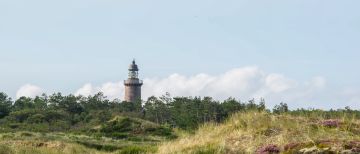
Access to the lighthouse is available daily all year round from 7:00 AM to 9:00 PM for DKK 30 per adult. It is free for children. The amount can be paid via MobilePay or with cash in the lighthouse foyer. Every day during the same hours as the lighthouse (7:00 AM - 9:00 PM), there is also access to an exhibition about, among other things, the lighthouse keeper’s duties beyond keeping the lighthouse light active every night; one of the more surprising was that he had to ensure that birds killed by flying into the light were sent to the Zoological Museum in Copenhagen. Cafe - Kaffestuen By the lighthouse, from Easter until the end of October, you can daily visit Kaffestuen, where volunteer cafe hosts welcome guests and sell coffee/tea, juice, and homemade pastries in the lighthouse keeper’s old rooms. Packed lunch shelter - Hønsehuset In the old hen house, which is open all year round, there is space to enjoy your packed food, warm yourself by the wood-burning stove, or borrow a backpack with experience equipment for a trip. Water and Toilet facilities It is possible to fill your water bottle outside and use the toilets at the lighthouse. Water and toilets are open all year. Shelters and accommodation Close to the lighthouse, there is also a primitive campsite with a shelter, where the night sky and the blinking lighthouse can be experienced from your sleeping bag. Hiking trails Several hiking routes start from here, including Sorte Næseruten, Penbjergruten, Lodbjergruten, and Flade Sø ruten. History The waters around Thy can be dangerous and have for centuries been the cause of many strandings and shipwrecks. Before modern navigation equipment was put into use, lighthouses were important for seafarers as guiding lights, intended to prevent them from getting too close to the coast. Lodbjerg Fyr was put into operation on November 28, 1884. The tower is 35 meters high, and the light is located 48 meters above sea level. The light has a special rhythm – two white flashes every 20 seconds. The lighthouse complex is protected and consists of the tower itself and the two adjacent buildings, which served as residences for the lighthouse keeper, his two assistants, and their families. Together, they formed a small, isolated community of their own. In 1883 there were no trees, but today the plantation provides good shelter in the garden. From the top of the tower, there is a wide view over the sea and the surrounding landscape. The buildings are open during daylight hours, and the café, which is run by volunteers, is open from Easter to October.
Facilities
Reviews
No reviews yet — been here? Reviews are coming to CampCompass soon.